What is a Sump Pump?
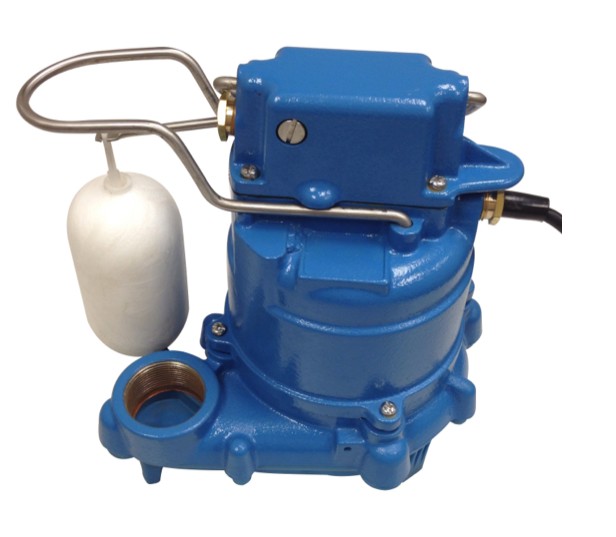
A sump pump is an electrical device installed in a pit or basin designed to keep ground and rainwater from entering your home. Sump pumps send water away from your house to any place where it is no longer problematic, such as a city storm drain system or day lighted. A sump pump is by far one of the most common and important pumps within your home. These type of pumps are used where basement flooding occurs regularly, to solve dampness where the water table is above the foundation, and for precautionary measures. There are generally two types of sump pumps we use:
Pedestal
The pedestal has a motor that is mounted above the sump. This makes the pump easier to service, but also more conspicuous. A pedestal pump’s impeller is driven by a long, vertical extension shaft and the impeller is enclosed by housing at the base of the pump.
Submersible
The submersible pump is entirely mounted inside the sump, and is sealed tight to prevent water from penetrating the electrical components. Submersible pumps will last anywhere from 5 to 15 years. These type of pumps can take up debris without clogging.
How does a Sump Pump work exactly?
Examining Figure #1 HERE, this a side view of a home sump pump installation. Notice the submersible pump is placed in the bottom of the pit. This pit or catch basin collects water throughout the perimeter of the basement via corrugated piping (also known as drain tile). This type of piping is designed to let water in through tiny weeping holes and then channel it in the desired direction based on pitch. Also, you can see that the piping is embedded in a gravel base. The gravel surrounding the drain tile piping allows ground water to flow in with ease, while eliminating debris and mud from clogging up the system. Once the water is migrated to the sump it is then discharged by the pump via the pipe stack away from the home. The pump, powered by electricity, will turn off and on based on the water level within the basin, eliminating the need for the homeowner to manually activate it.
Now looking at Figure #2 HERE, this is a bird’s eye view of a home’s basement floor, minus the concrete slab. As you can see this installation consist of corrugated piping surrounding the entire perimeter of the homes foundation. The piping is pitched to drain into the catch basin so groundwater will flow by the force of gravity. You can also see that the entire developed length of the piping is surrounded by gravel. Remember, the gravel will allow groundwater to flow with ease into our drain tile pipe, dump into the pit and then be pumped safely away from the home. With this type of installation, you as a homeowner will maximize the reduced risk of water entering your basement.
How do I know if I need a Sump Pump?

Having a plumbing specialist out to home is a sure way to determine if you are in need of a sump pump. A good plumber will take the time to look at the big picture and give you an accurate assessment of your situation. It’s very easy to over look the small things that could cause big problems. Paying for experience can really save you a time, money & headache . There are a lot of factors to take into consideration when deciding if you need a sump pump. Sometimes the water issues can be addressed just by redirecting your gutter downspouts, or simply moving a few barrels of dirt around in the yard, to help migrate water away from the home. Some situations will require a bit more work though, like the complete installation of a perimeter weeping tile system like shown above. This will require the removal and replacement of concrete, which should be done by a professional. Most newer homes already have perimeter corrugated piping installed along with a pit, so you might just need a pump added which is not near the task. Here are few questions you need to ask yourself when considering if you need a sump pump:
[icon_list] [icon_list_item type=”check”] Has your basement flooded before?
[/icon_list_item] [icon_list_item type=”check”] Does your home set in a valley or flat low lying area that has a tendency to hold ground water?
[/icon_list_item] [icon_list_item type=”check”] Does your residence get abnormal amounts of snow or rain throughout the year?
[/icon_list_item] [icon_list_item type=”check”] Do you have a basement that stores costly belongings or has been finished into living space?
[/icon_list_item] [icon_list_item type=”check”] Do you already have a sump pump that is older than 6 years?
[/icon_list_item] [/icon_list]
If you’ve answered yes to any of the above questions, give Inception Plumbing a call. We can get you scheduled in and help make sure your home will stay dry for years to come.
[/tab][tab]What is a Sewer Ejector Pump?
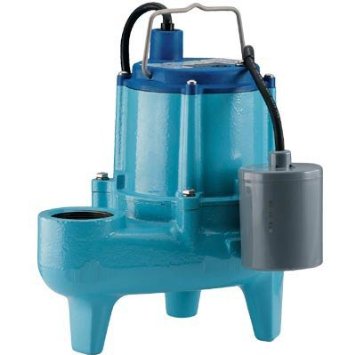
Sewage ejector pumps are considered high volume, low pressure, submersible solids handling pumps. This type of pump is not considered a “grinder pump” because it does not have any grinding blades. Sewer ejector pumps often get misnamed by bad plumbing lingo or by people who just don’t know the difference. Sewer ejector pumps actually use spinning impellers that move the raw sewage up through the bottom of the pump and force it under pressure to a gravity drain. A typical use of a sewage ejector pump is to move raw sewage from a home, up to an elevation so the sewage can drain by gravity to an outside septic tank or sewer line. Waste from water-using household appliances, such as toilets, bathtubs, washing machines, etc., flow through the home’s pipes into the holding tank where the pump is housed. Once the wastewater inside the tank reaches a preset level, the pump automatically kicks on and moves it out of the home. Sewer ejection pumps
Why do some homes require a Sewer Ejector Pump and some don’t?
In most cases, wastewater flows using gravity from your home to a public sewer main, where it then travels to a wastewater treatment plant. However, due to different elevations of homes and their relation to the city sewer system, this may not work. For instance, some residential basements require sewer ejector pump systems because the public sewer elevation is too high for the fixtures to drain into by gravity alone. Here are a few criteria where a sewer ejector pump would be ideal: when pumping sewage to a septic tank, gravity building drain, short distances or low vertical heights.
What type of maintenance is required for my Sewer Ejector Pump?
Sewer ejector pumps really require little maintenance if not abused. Typically there is an 8 to 10 year period before service is required to replace wearing pump parts. If you have a sewer pump, it’s very important to get familiar with the manufacturer’s recommended usage instructions. You should definitely know what is OK and what isn’t OK to flush down the toilet. This will save you a lot of headache down the road. These pumps are designed specifically to only pump human waste, toilet paper, soap, toothpaste, shampoo etc. Some homeowners will think if it flushes it magically goes away, but with a sewer ejector pump it’s not always the case. Flushing cotton swabs, floss, women hygiene products, wipes, diapers, paper towels, etc., can cause major problems for your pump station. These items can actually build up and clog up your pump which then requires you to call in a professional.
What should I do with my pump when I go on vacation?
When leaving your home unattended for a week or longer, it’s never a bad idea to give your ejector pit a flush. First, run water from an inside fixture long enough for the sewer ejector pump to kick on. Once the pump starts, you can turn the fixture off. The pump will run until the tank is completely empty and then shut off automatically. This process will cleanse the pump and holding tank of any waste and will minimize any potential odor build up.
[/tab][tab]
What is a Grinder Pump?
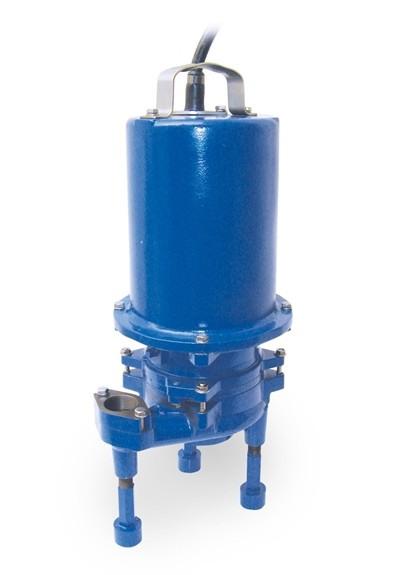 The grinder pump is considered a high pressure, low volume, solids waste handling device. They are submersible, electrical sewage pumps that grind raw sewage into a slurry much like your garbage disposal. Grinder pumps are designed to handle the same type of waste as a sewage ejector pump. These pumps are used when a home is required to pump waste into a pressurized sewer main, or over long distances. These pumps are very powerful and have the ability to overcome the pressure of the sewer main. This assures that the sewage being pumped from your home stays its course and doesn’t back flow. Since the raw sewage is being ground into a slurry, the discharge line is quite a bit smaller than a sewer ejector pump. Sewer ejector pumps can have a discharge line up to 3” in diameter, where as the grinder pump only require a 1 ¼”to do the same job. The grinder pump discharges at a low volume, but it can do this for a very long distance. Grinder pumps can also pump waste to very high altitudes, in upwards of 200’ unlike the sewer ejector pump.
How does a Grinder Pump work exactly?
A grinder pump is housed in a catch basin that is recessed in a basement floor or a convenient outdoor location. If placed outside, the tank should be set below any frost-line to prevent freezing during winter months. Once waste moves into the basin and reaches a certain level it is automatically ground up into a fine slurry by the pumps grinding blade. This slurry is then pumped out of the tank through a discharge pipe to exceed the height elevation of the gravity sewer system, or pumped into a pressurized sewer main. These pumps are powered by electricity and are connected to a control panel with an alarm near by. The control panel will notify the homeowner when the pump is in need of service.
How do I know if I need a Grinder or Sewer Ejector Pump?
Most home applications only require a sewer ejector pump to pump sewage from a basement. Grinder pumps are typically only needed if you are pumping sewage over long distances, into a pressurized sewer main or high elevations. There are certain scenarios when you could use either type, but most of the time a good sewer ejector pump will be sufficient. Grinder pump systems should be considered if your home’s elevation prohibit the use of a gravity sewer system.
What should I do if there is a power outage?
A grinder pump is powered by electricity and will not function during a power outage. So to prevent waste from backing up into your sinks, showers, tubs or toilets, you will have to limit the use of these fixtures until power is restored. Showering would not be a good idea because of the excessive use of water and could flood your holding tank quickly. Your sewage pump holding tank does have some room for storage, so limiting your toilet flushes is ideal. Your holding tank has a limited capacity, so if the tank was already full and ready to pump just before the power went out, there will be even less storage available. Just be ready to be very conservative with your flushes.
[/tab][tab]
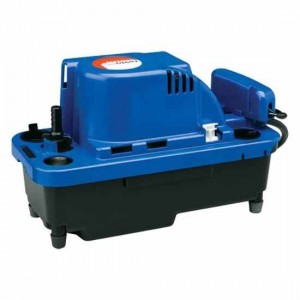 What is a Condensation Pump?
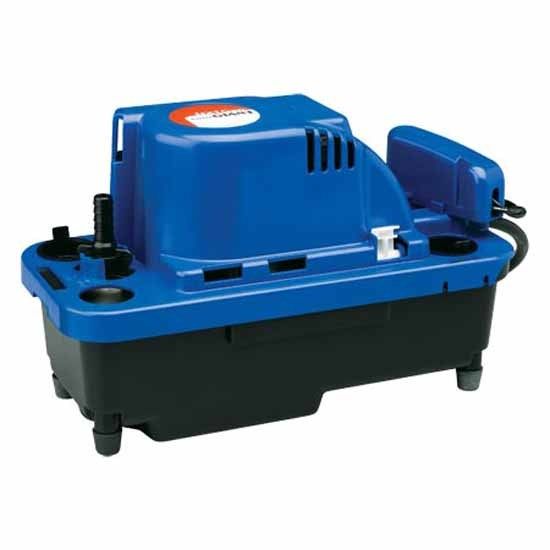
Condensation pumps are small, electrical powered devices that are used to move and direct flow of wastewater produced by ice machines, furnaces, water softeners, or air conditioning systems. Sometimes when a floor drain isn’t available for newly installed equipment, we can pump its condensation to an appropriate location for disposal. Condensation pumps are not always the best option, but when your options are limited, they will get the job done. These act very much like their big brother the sump pump, but on a smaller scale. The pump will kick on and off automatically, to keep up with the demand.
[/tab][tab]
Why do I need a Sump Pump Backup system?
So, you already have a sump pump in place and are ready to go ahead with finishing your basement. You might want to reconsider moving forward until you have a backup system installed. A backup sump pump system is the icing on the cake, so to speak. This is that one extra step you as a homeowner should take before investing time and money into a potential flood area. All sump pumps eventually fail, and unfortunately there is no way to predict when this will happen. With no way to notify you in advance, a failing pump can be quite a surprise during your next rainstorm. Back up systems are also great for unexpected power outages.
What are my Sump Pump backup options?
There are typically two types of backup systems you can put in place to be confident your investments won’t be in jeopardy:
Water Jet
This system requires zero electricity and uses your domestic water supply to eliminate groundwater when your primary pump isn’t working, due to failure or a power outage.
Battery Backup
This set up will consist of a battery and a secondary pump with its own float assembly. This backup system will also contain a panel alarm system which will notify the homeowner when the primary pump has failed and the backup system has taken over.
Inception Plumbing only uses Liberty sump pumps for our service work. Liberty Pumps have an exceptional manufacturer’s warranty and have established their credibility by providing a superior product that lasts. Liberty Pumps also provides great customer service as well, so you will have a product you can rely on. Here are a few of many we can install today.
240 – 250 – 280 – 290
[accordion id=”1″] [accordion_item title=”240 – Series” parent_id=”1″ open=”true”]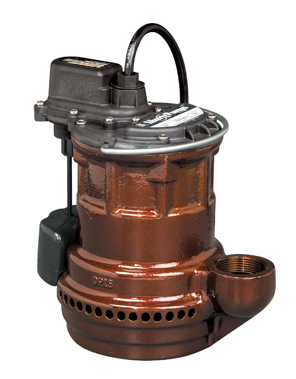
One of the most advanced 1/4 hp sump pumps available, Liberty’s 240-series features a unique one-piece cast iron housing with peripheral port suction. This design eliminates the motor seal ring and helps reduce potential jamming from debris.
Manufacturer's Warranty
Power
[/accordion_item] [accordion_item title=”250 – Series” parent_id=”1″]
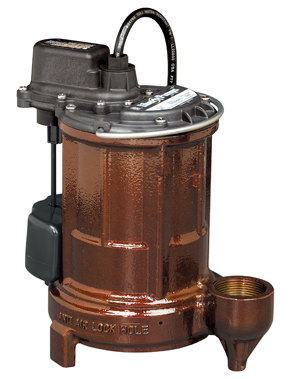
Rugged and dependable heavy-duty cast iron pump with powder coat finish. Liberty’s “workhorse” sump pump features a unique one-piece cast iron body, quick-disconnect power cord and three different switch options. With a durable, epoxy powder coat finish and vortex style impeller, Liberty’s 250-series pump is the perfect choice for low-head effluent pumping or basement de-watering.
Manufacturer's Warranty
Power
[/accordion_item] [accordion_item title=”280 – Series” parent_id=”1″]
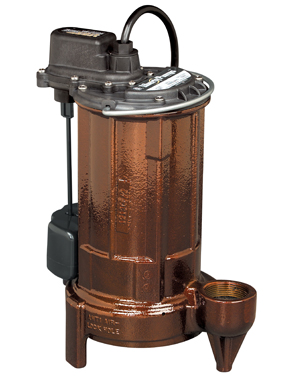
With a shut-off head of 37 feet and 3/4″ solids-handling capability, the 280-Series by Liberty covers a wide-range of low-head to mid-range pump applications. Designed for STEP systems, mound systems, liquid waste transfer and high output sump applications, you can count on the 280-Series to offer superior performance.
Manufacturer's Warranty
Power
[/accordion_item] [accordion_item title=”290 – Series” parent_id=”1″]
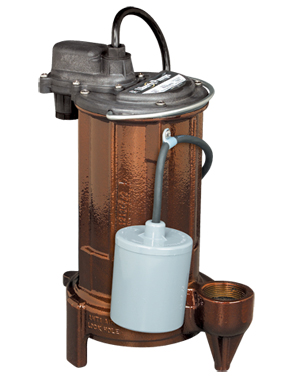
Liberty’s unique, one-piece “Uni-Body” casting. Quick-disconnect 10′ standard
power cord allows replacement of cord in seconds without breaking
seals to motor. Permanently lubricated upper and lower bearings.
Manufacturer's Warranty
Power
[/accordion_item] [/accordion][clear]
[/tab][tab]
Inception Plumbing only uses Liberty sewage pumps for our service work. Liberty Pumps have an exceptional manufacturer’s warranty and have established their credibility by providing a superior product that lasts. Liberty Pumps also provides great customer service as well, so you will have a product you can rely on. Here are a few of many we can install today.
LE40 – LE50 – LE70 – LE100
[accordion id=”2″] [accordion_item title=”LE40-Series” parent_id=”2″ open=”true”]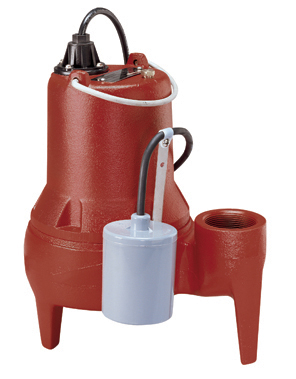
Heavy-duty built and reliable, Liberty’s LE40-series is the perfect choice for residential sewage applications. Featuring all cast iron construction with an epoxy powder coat finish, stainless steel fasteners, quick-disconnect power cord and a vortex style impeller for superior solids handling, the LE40-series combines solid performance with exceptional value. Vertical float option available on 115V model
Manufacturer's Warranty
Power
[/accordion_item] [accordion_item title=”LE50-Series” parent_id=”2″]
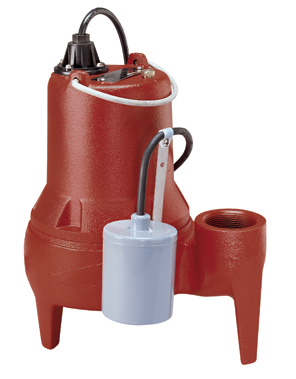
Liberty’s LE50-series cast iron sewage pump is a commercial-grade workhorse for residential and light commercial applications. Its efficient 1/2 hp motor with permanently lubricated bearings, stainless steel fasteners and quick-disconnect power cord design make this a favorite choice among professionals. Other features include 2″ solids-handling ability and a shut-off head of 25 feet. Optional vertical float switch model available in 115V.
Manufacturer's Warranty
Power
[/accordion_item] [accordion_item title=”LE700-Series” parent_id=”2″]
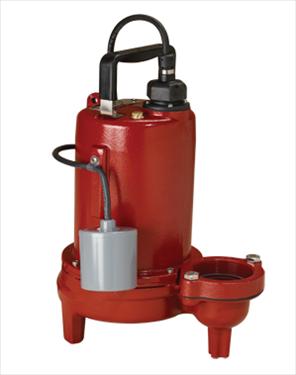
Liberty’s LE70-series is a 3/4 hp sewage pump with 2″ solids-handling capability. Constructed of heavy cast iron with a tough epoxy powder coat finish, stainless steel fasteners and rotor shaft, the LE70 is designed for durability. Its quick-disconnect cord design allows for easy interchange of power cords in 10′, 25′ and 35′ lengths. Available in 2″ or 3″ discharge configurations and a wide range of voltages.
Manufacturer's Warranty
Power
[/accordion_item] [accordion_item title=”LE100-Series” parent_id=”2″]
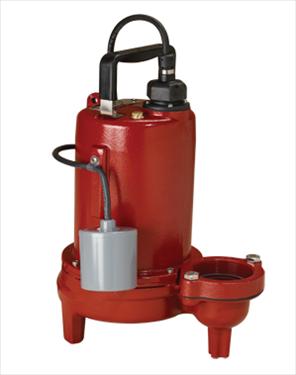
Liberty’s LE100-series is a 1 hp sewage pump with 2″ solids-handling capability. Constructed of heavy cast iron with a tough epoxy powder coat finish and stainless steel fasteners, the LE100 is designed for years of trouble-free performance. Its quick-disconnect power cord allows for easy interchange and is available in 10′, 25′ and 35′ lengths. The LE100 can be ordered in 2″ or 3″ discharge configurations and a wide range of voltages.
Manufacturer's Warranty
Power
[/accordion_item] [/accordion]
[/tab][tab]
Inception Plumbing only uses the Liberty grinder pumps for our service work. Liberty Pumps have an exceptional manufacturer’s warranty and have established their credibility by providing a superior product that lasts. Liberty Pumps also provides great customer service as well, so you will have a product you can rely on. Here are a few of many we can install today.
PRG101A – LSG202A – LSGX202A
[accordion id=”3″] [accordion_item title=”PRG101A” parent_id=”3″ open=”true”]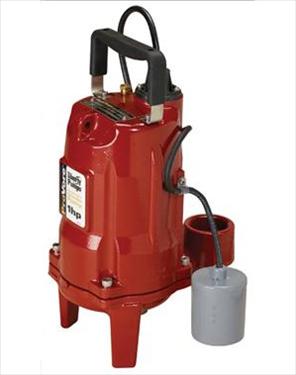
Designed for residential sewage applications. Higher flow rates allow use with 2″ discharge lines. Shreds difficult solids such as feminine products, rags, towels and wipes that can jam a solids-handling style pump.PRG-Series residential grinders can be used as a replacement pump in 2” discharge systems using LE40 and LE50-series solids-handling pumps.
Manufacturer's Warranty
Power
[/accordion_item] [accordion_item title=”LSG202A” parent_id=”3″]
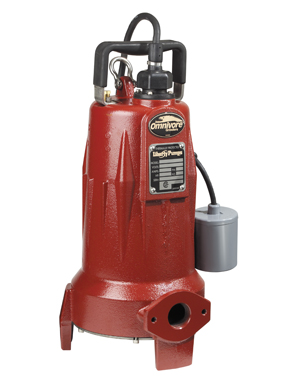
Liberty’s LSG200-Series Omnivore® grinder pumps meet the demanding needs of commercial and residential sewage applications where difficult solids-handling ability is crucial. The LSG200-Series features a superior cutting system made of hardened 440 stainless steel-Rockwell C 58, for shearing solids into small particles prior to being passed to the discharge by the impeller under high pressure.
Manufacturer's Warranty
Power
[/accordion_item] [accordion_item title=”LSGX202A” parent_id=”3″]
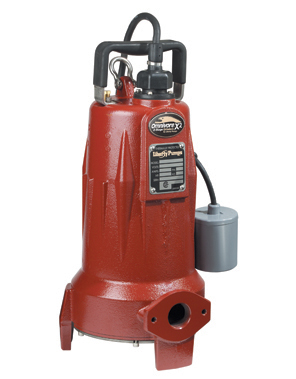
Liberty’s 2-stage LSGX-Series Omnivore® grinder pumps meet the demanding needs of commercial and residential sewage applications where difficult solids-handling ability is crucial. The LSGX features a superior cutting system made of hardened 440 stainless steel-Rockwell C 58, for shearing solids into small particles prior to being passed to the discharge. The 2 stage design provides high pressure with maximum head capabilities to 185 feet.
Manufacturer's Warranty
Power
[/accordion_item] [/accordion]
[/tab][tab]
Inception Plumbing only uses the Liberty emergency pump backup systems for our service work. Liberty Pumps have an exceptional manufacturer’s warranty and have established their credibility by providing a superior product that lasts. Liberty Pumps also provides great customer service as well, so you will have a product you can rely on. Here are a few of many we can install today.
441 – PC Series – SumpJet
[accordion id=”4″] [accordion_item title=”Model 441″ parent_id=”4″ open=”true”]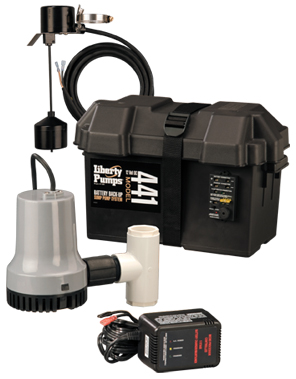
Liberty’s model 441 takes over when the power goes out. Operating from the power of a marine-grade deep-cycle battery*, the 441 features a high-output 12 volt pump, advanced 5-stage charging system, easy-connect terminal block, battery box and plumbing connections. *(Battery not included.) Designed to be used in conjunction with a primary 120V sump.
Manufacturer's Warranty
[/accordion_item] [accordion_item title=”PC – Series” parent_id=”4″]
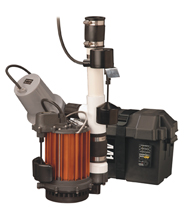
A fully assembled pump combination that features a primary 115 volt sump pump and the model 441 battery back-up pump. Available with the 237, 257 or 457 sump pump.
Manufacturer's Warranty
[/accordion_item] [accordion_item title=”SJ10 SumpJet” parent_id=”4″]
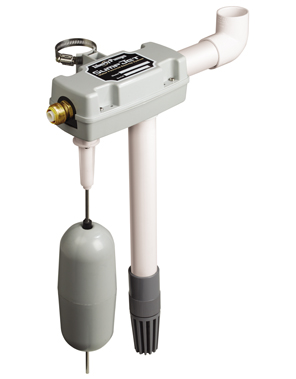
The SumpJet® (Model SJ10) is a water powered back-up sump pump that will protect your basement in the case of a power outage. This unique product is powered by your municipal water supply** and requires no electricity to operate! With a compact high efficiency design, The SumpJet® removes 2 gallons of sump water per 1 gallon used. The SumpJet® is fully automatic, arrives completely assembled, and comes backed with Liberty’s standard 3 year warranty.
Manufacturer's Warranty
Standard 0r W/Alarm
[/accordion_item] [/accordion][/tab][tab]
Inception Plumbing only uses Liberty condensation pumps for our service work. Liberty Pumps have an exceptional manufacturer’s warranty and have established their credibility by providing a superior product that lasts. Liberty Pumps also provides great customer service as well, so you will have a product you can rely on. Here are a few of many we can install today.
LCU 15 – LCU 20
[accordion id=”5″] [accordion_item title=LCU-15 Series” parent_id=”5″ open=”true”]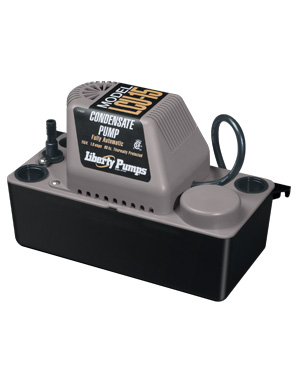
115 Volt, Automatic operationCompact tank design.The new LCU-Series Condensate Pumps from Liberty are designed to handle removal of condensate from high efficiency furnaces, A/C equipment, dehumidifiers, ice machines and other applications producing condensate. Features include a corrosion-resistant stainless steel shaft, high-impact ABS tank and fully automatic operation.
Manufacturer's Warranty
[/accordion_item] [accordion_item title=”LCU-15 Series” parent_id=”5″]
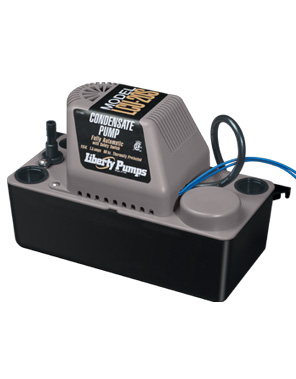
115 or 230 Volt availableCompact tank design.The LCU-Series Condensate Pumps from Liberty are designed to handle removal of condensate from high efficiency furnaces, A/C equipment, dehumidifiers, ice machines and other applications producing condensate. Model LCU-20S and LCU220S come with a safety switch. All Liberty condensate pumps come with a three year warranty.
Manufacturer's Warranty
[/accordion_item] [/accordion] [/tab][/tabs]
Inception Wants To Help!
Homeowners spend lots of time and money finishing their basements. The last thing anybody needs is a flood in which their insurance may or may not cover. Your basement can be full of lots of irreplaceable memorabilia, so not taking simple precautions can be a costly mistake. All mechanical pumps eventually fail, and when these go out it’s usually too late. So it’s recommend that a homeowner or a technician check your pump a few times a year. If you don’t have a sump pump, need one replaced or just want a qualified technician to inspect your existing one, then schedule a service call today.